Have you ever dropped an object into a pool of water? Beyond the plop sound and the fleeting thrill of watching it sink, something else happens—a ripple appears, spreading outward until it vanishes.
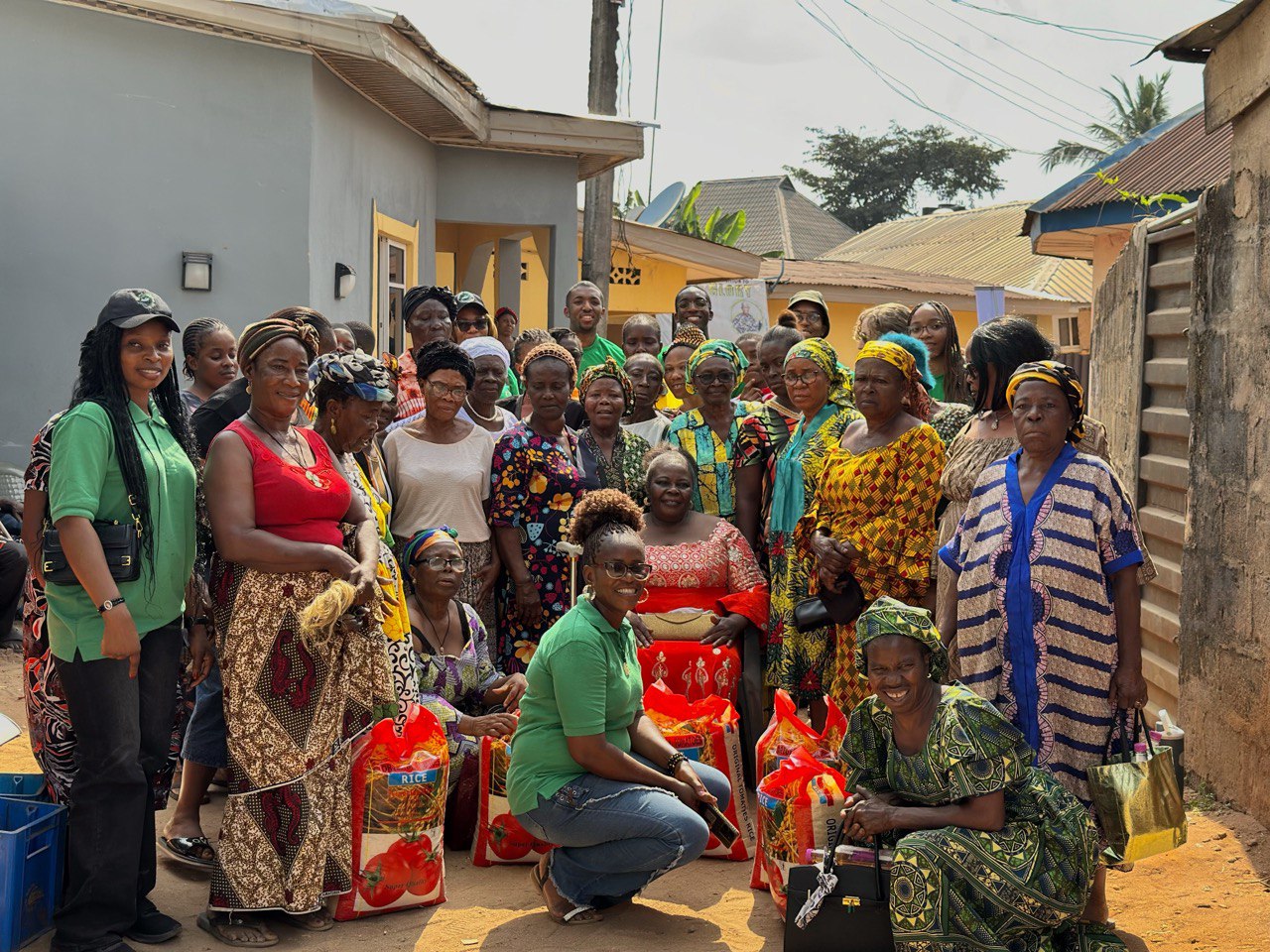
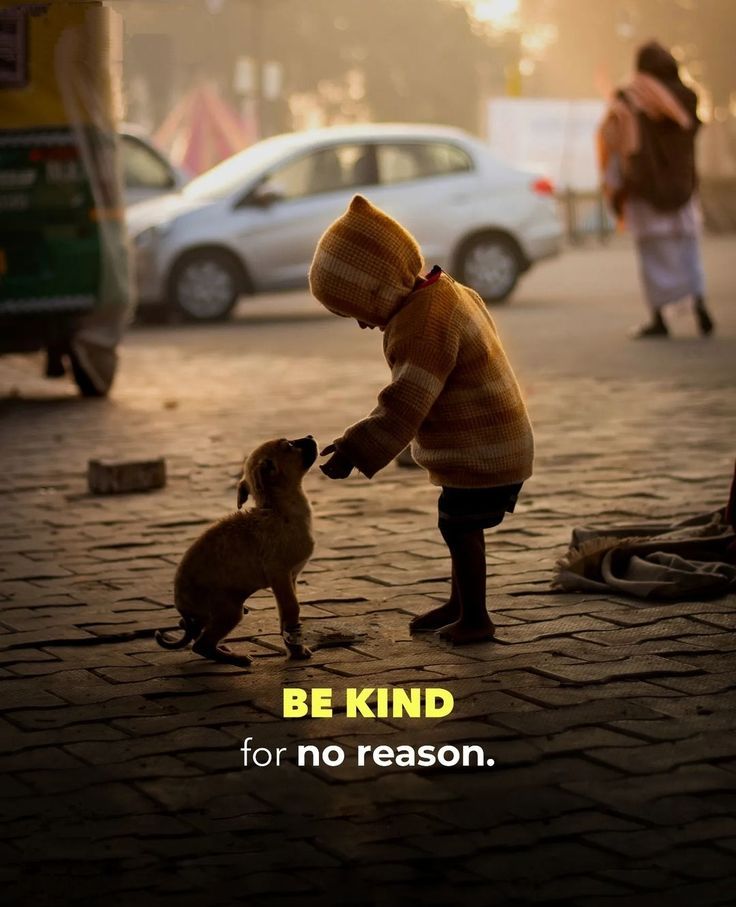
Isn’t that the same effect generosity has in our world today? The idea that even the smallest act of kindness carries a far-reaching impact? If I change someone’s life with a single act of generosity, won’t another be affected in turn?
This reminds me of a story: A man walks into a coffee shop and decides to "pay it forward" by buying coffee for the next customer. That customer, touched by the unexpected kindness, donates a few dollars to a local shelter. The shelter, in turn, uses that donation to feed a homeless mother and her child for the night. Inspired by the help she received, the mother eventually finds stability and starts a small initiative to support struggling single parents.
What began as a simple coffee purchase became a chain reaction of hope.
This isn’t just a sentimental idea—it’s backed by science. Studies confirm that acts of generosity increase happiness, reduce stress, and strengthen social connections. And we know how contagious emotions like happiness are. They are like water—impossible to contain in one place. They flow into unexpected dry spaces, softening the cracks where despair once lurked.
That is why I keep saying: Heaven is not just a place. For if I were to take demons and place them in heaven, and angels and place them in hell, heaven would turn into hell, and hell into heaven.
That’s how it is with good deeds. They transform. And this fire—the one meant to ignite change—must start with one person.
You.
@archpen