Ensuring Access for All
Access to quality healthcare is not a luxury—it is a fundamental human right. Unfortunately, millions around the world still struggle to receive basic medical attention due to financial constraints, lack of infrastructure, and systemic inequalities. At the heart of this issue lies the question: Should healthcare be reserved for those who can afford it, or should it be accessible to all, regardless of socioeconomic status? The answer is clear—healthcare is a right, not a privilege.
The Global Healthcare Gap
Despite medical advancements, a significant portion of the global population lacks access to essential healthcare services. According to the World Health Organization (WHO), at least half of the world’s population does not receive the healthcare they need. This disparity is particularly evident in low-income communities, rural areas, and developing nations where healthcare systems are underfunded and understaffed.
In many countries, people are forced to choose between paying for medical treatment or meeting their basic needs like food and shelter. This dilemma often leads to preventable deaths and suffering. The healthcare gap widens as private institutions prioritize profit over patient well-being, leaving the most vulnerable populations without care.
Medical Outreach: Bridging the Gap
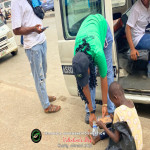
Recognizing this urgent need, organizations and healthcare professionals worldwide are stepping up through medical outreach programs. These initiatives focus on providing free or affordable healthcare services to underprivileged communities. Medical outreach efforts include:
Free Health Screenings & Check-ups – Early detection of diseases like diabetes, hypertension, and cancer can save lives. Outreach programs bring these services to people who may not otherwise seek medical attention.
Vaccination Drives – Immunization is one of the most effective ways to prevent infectious diseases. Outreach programs help ensure children and adults in underserved areas receive necessary vaccines.
Maternal & Child Health Services – Pregnant women and young children are among the most vulnerable groups. Outreach programs provide prenatal care, nutrition support, and health education to reduce maternal and infant mortality.
Emergency Medical Aid – In times of crisis, such as natural disasters or conflicts, outreach teams deliver urgent medical assistance, ensuring that affected populations receive lifesaving treatment.
The Moral and Ethical Obligation
Providing healthcare to all is not just a political or economic issue—it is a moral responsibility. No one should be denied treatment due to their financial situation. Governments, healthcare institutions, and individuals must work together to create policies and programs that promote universal healthcare access.
Investing in healthcare strengthens communities, reduces the spread of diseases, and boosts economic productivity. Healthy individuals contribute more effectively to society, leading to a more prosperous and equitable world.
Taking Action: How You Can Help
Ensuring healthcare for all requires collective effort. Here are some ways to contribute:
Support Medical Outreach Programs – Donate to or volunteer with organizations that provide free healthcare services to underserved communities.
Advocate for Policy Changes – Support policies that promote universal healthcare and push for government funding in public health sectors.
Raise Awareness – Educate others about the importance of healthcare accessibility and encourage discussions on healthcare reforms.
Conclusion
Healthcare is not a privilege reserved for a few—it is a fundamental right that everyone deserves. By supporting medical outreach programs and advocating for equitable healthcare policies, we can create a world where no one is denied medical care due to financial hardship. Together, we can ensure that healthcare reaches those who need it most because everyone deserves the chance to live a healthy life.
#HealthForAll #MedicalOutreach #HealthcareIsARight